

Date | 2026-01-07 14:56:29
In the field of electrical insulation and structural components, phenolic molding compounds, urea-formaldehyde (UREA) resins, and what is commonly known as Bakelite powder once represented the mainstream material choices of an era. With their good electrical insulation, heat resistance, and moldability, these materials were widely used in switches, sockets, household products, and early electrical components.
However, as industrial applications increasingly demand higher mechanical strength, improved arc resistance, better environmental performance, and greater design complexity, the limitations of traditional materials have become more apparent.
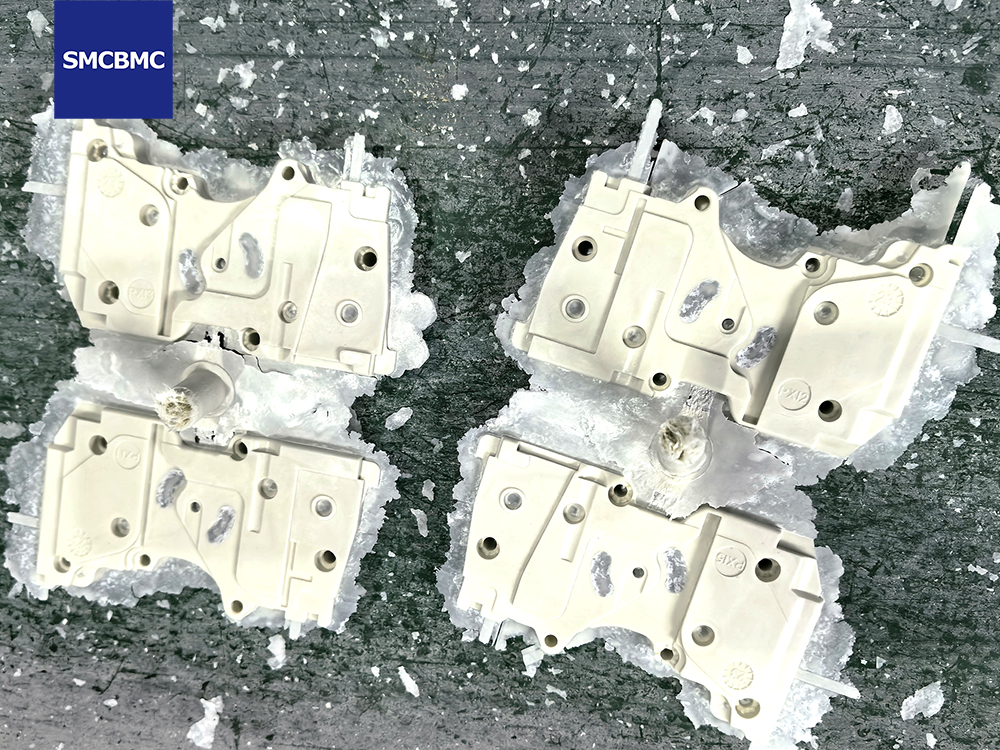
Although phenolic and urea molding compounds have played an important historical role, they generally share several inherent drawbacks:
Relatively low toughness and impact resistance
Residual odor after curing
Limited arc resistance performance
Restricted production efficiency and batch consistency
Brittle behavior and limited color options, especially for Bakelite-based products
These constraints make it increasingly difficult for traditional materials to meet the requirements of modern high-end electrical and industrial equipment, driving the industry to seek more advanced material solutions.
Against this backdrop, modern thermosetting composites—represented by BMC (Bulk Molding Compound) and SMC (Sheet Molding Compound)—have emerged as a new generation of materials. Rather than serving as simple substitutes, BMC and SMC represent a systematic upgrade across material science, molding technology, and end-use applications.
Modern BMC materials, such as the BMC 1615 and 1620 series covered under our internal technical standard Q/JTJ0001-2025, achieve:
Flexural strength exceeding 120 MPa
Arc resistance ≥ 180 seconds
Insulation resistance ≥ 1.0 × 10¹³ Ω under normal conditions
Thermal index up to 155°C
These performance levels significantly exceed those of most conventional phenolic materials while fully complying with RoHS 2.0 environmental directives.
In accordance with our Thermosetting Compression Molding Technical Specification (Q/JTJ0002-2025), precise control of mold temperature (135–170°C ±5°C), pressure profiles, and curing cycles ensures:
High dimensional consistency
Low internal stress
Excellent surface quality, with flash thickness ≤ 0.2 mm
Thanks to superior flowability and moldability, BMC and SMC enable the production of highly integrated components with complex geometries, significant wall thickness variations, and multiple inserts—capabilities that are extremely difficult to achieve with traditional Bakelite compression molding processes.
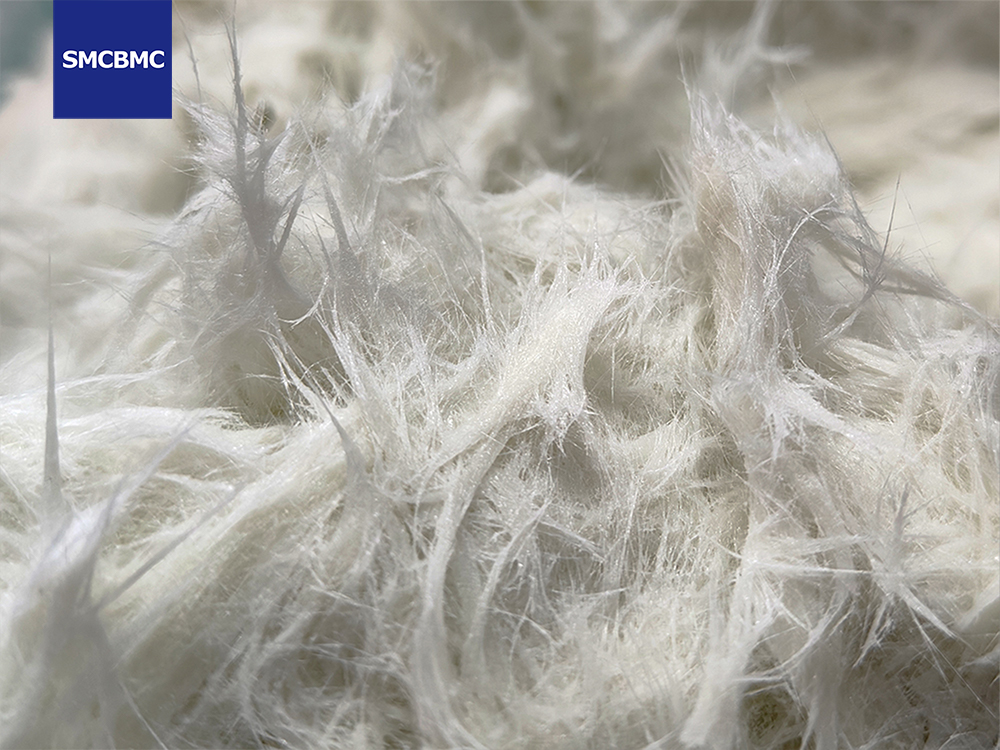
BMC materials allow complete stator encapsulation, combining lightweight design, noise reduction, high insulation, and corrosion resistance. These solutions are widely applied in new energy vehicle drive motors and high-end household appliances.
Applications such as MCB housings, photovoltaic metering enclosures, and railway insulation components meet stringent requirements including UL94 V-0 flame retardancy, high CTI values, and long-term environmental durability.
BMC motor brackets and similar parts replace metal structures, integrating vibration damping, noise reduction, and electrical insulation into a single component.
Successful material application requires deep integration of material properties, tooling design, and process control. As a member of China’s National Insulating Materials Standardization Technical Committee, Wenzhou Jintong not only participates in national standard development but also operates under a proprietary technical standard system (Q/JTJ0001–0003-2025) that exceeds national benchmarks.
From material formulation and precision tooling—using H13 / 2344 mold steel with tolerances up to ±0.02 mm—to advanced molding processes that effectively prevent premature curing, we provide end-to-end technical assurance.
Our solutions align with the demanding requirements of globally recognized electrical brands such as Siemens, Schneider Electric, ABB, and CHINT, enabling customers to achieve lightweight designs, higher performance, and optimized costs.
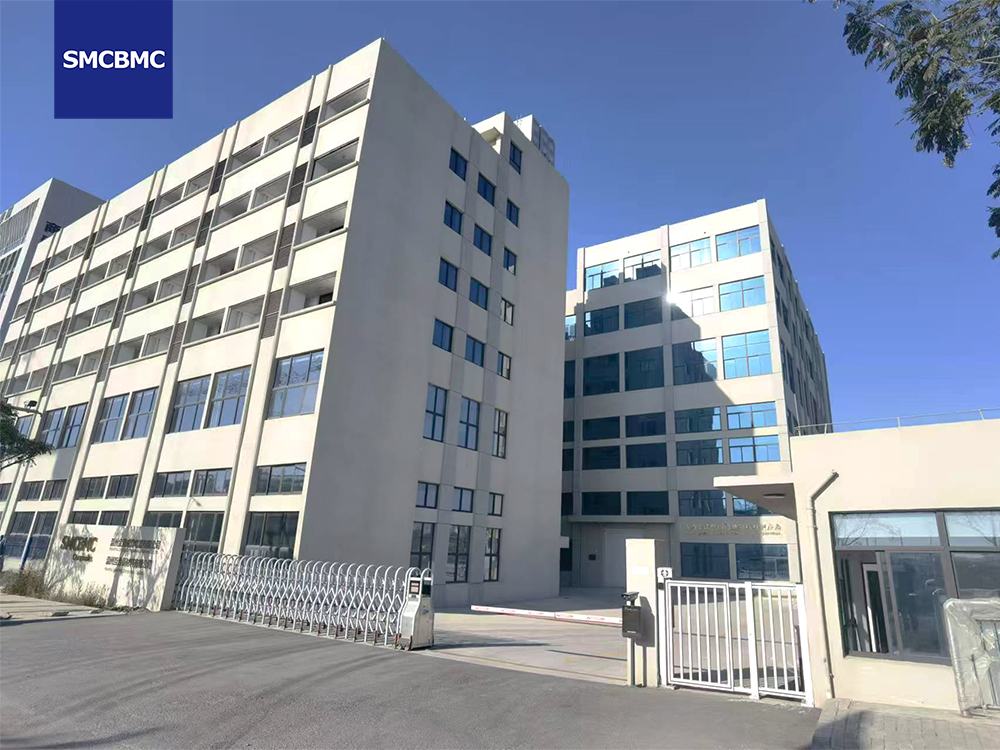
If you are seeking to upgrade from phenolic or urea molding compounds, overcome performance limitations of traditional Bakelite materials, or transition to high-performance BMC/SMC components, we welcome your inquiry.
Wenzhou Jintong
Core Capabilities:
BMC / SMC Thermosetting Composite Materials R&D & Manufacturing
Precision Tooling Design & Manufacturing
Compression & Injection Molding Solutions
Certifications & Credentials:
UL Certification | ISO 9001 / ISO 14001 / ISO 45001
Participant in National Standards Development
Let advanced materials technology empower your next-generation products with lasting competitive advantage.