

Date | 2026-03-06 10:11:56
As electrical systems become more compact, efficient, and digitally connected, engineers are increasingly focusing on an often overlooked factor in energy performance: material weight and structural efficiency.
While energy efficiency discussions typically focus on motors, electronics, and power management technologies, the materials used in electrical infrastructure—from enclosures to insulation components—play a critical role in long-term system performance.
Lightweight composite materials such as BMC (Bulk Molding Compound) are increasingly being adopted in electrical systems not only for insulation and flame resistance, but also for their ability to support structural efficiency and energy optimization across the entire product lifecycle.
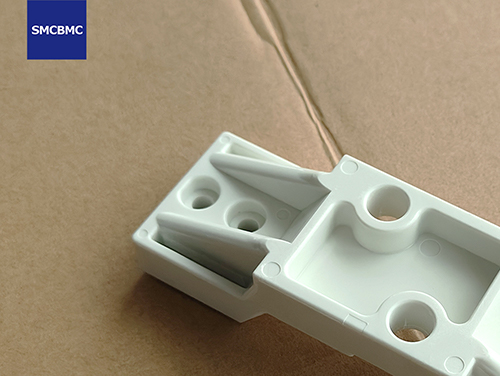
In many electrical products, structural components are traditionally made from metals or heavy plastics. While these materials provide strength, they often introduce hidden inefficiencies.
Heavy components can lead to:
Increased transportation energy consumption
Higher installation and handling costs
Larger structural loads within equipment assemblies
Reduced design flexibility for compact electrical systems
As electrical equipment becomes more modular and integrated, lighter structural materials enable more efficient system design without compromising safety or durability.
This is where advanced thermoset composites such as BMC are gaining attention.
BMC composites typically achieve 30–50% weight reduction compared with metal parts while maintaining excellent mechanical strength.
In applications such as:
Electrical meter enclosures
Motor terminal boards
Switchgear insulation structures
Busbar supports
Electrical distribution housings
weight reduction improves overall equipment efficiency and simplifies installation, especially in large-scale infrastructure projects.
Unlike many thermoplastics, thermoset BMC maintains dimensional and structural stability under heat.
Stable materials help ensure:
Consistent electrical insulation distances
Reliable mechanical support for conductive components
Reduced risk of deformation that could increase electrical resistance
In high-temperature electrical environments, stable materials indirectly support energy efficiency by preserving optimal electrical performance over time.
Because BMC is compression molded, complex structures can be produced in a single integrated component.
This allows engineers to combine multiple metal parts into one molded structure, reducing:
Fasteners and secondary assemblies
Manufacturing steps
Potential mechanical failure points
The result is a simpler, lighter, and more efficient product architecture.
Energy efficiency is not only about operational performance—it is also about product lifespan.
Materials that resist creep, moisture absorption, and thermal deformation reduce the need for maintenance and replacement.
BMC offers:
Excellent dimensional stability
High flame resistance (UL94 V-0)
Strong electrical insulation performance
Resistance to humidity and environmental aging
These characteristics contribute to long-term system reliability and lower lifecycle energy impact.
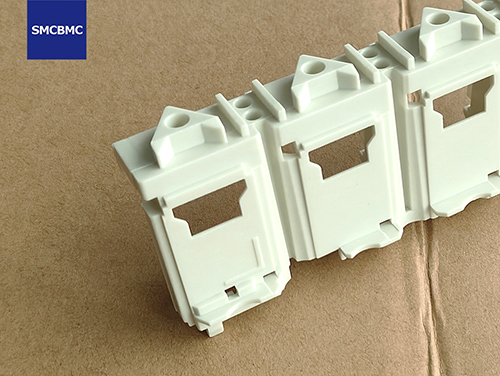
Lightweight composite materials are increasingly used in electrical systems such as:
Smart Meter Enclosures
Providing durable insulation structures while reducing installation weight.
Motor Electrical Components
Including terminal boards and insulation supports where dimensional stability is critical.
Switchgear and Distribution Equipment
Reducing overall equipment weight while maintaining insulation performance.
Rail Transit and Infrastructure Systems
Supporting electrical equipment where weight, durability, and vibration resistance are essential.
As electrical networks expand and equipment becomes more integrated, material efficiency becomes part of system efficiency.
At Wenzhou Jintong Complete Appliances Co., Ltd., lightweight composite solutions are developed through an integrated approach that combines:
High-performance BMC/SMC thermoset material development
Precision mold design
Controlled compression molding processes
This integrated capability allows engineers to optimize both structural performance and weight efficiency, ensuring components meet the demanding requirements of electrical infrastructure, motors, energy systems, and industrial equipment.
As industries move toward energy efficiency, electrification, and sustainable infrastructure, materials will play an increasingly important role in engineering decisions.
Lightweight composite materials like BMC are no longer simply alternatives to metal or plastics—they are becoming strategic materials that help engineers design more efficient, reliable electrical systems.
In modern electrical engineering, efficiency starts not only with electronics, but with the materials that support them.
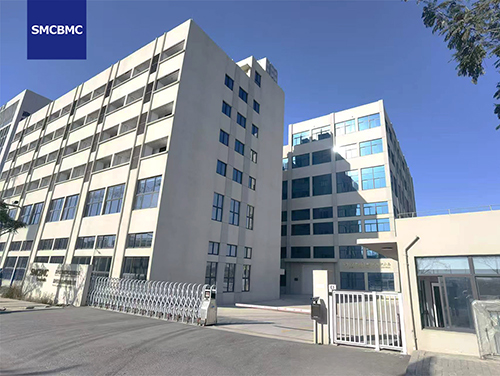
Wenzhou Jintong Complete Appliances Co., Ltd. specializes in high-performance BMC/SMC thermoset composites, precision mold design, and compression molding of electrical insulation components.
Our solutions support industries including:
Electrical infrastructure
Smart metering
Motors and industrial equipment
Rail transit systems
New energy applications
We help customers develop reliable, lightweight composite components engineered for long-term performance.