

Date | 2026-03-05 13:11:55
Electric meters are among the most widely deployed pieces of infrastructure in modern power systems.
Installed in residential, commercial, and industrial environments, they operate continuously for decades while exposed to temperature fluctuations, humidity, electrical stress, and outdoor conditions.
While digital electronics and communication modules receive much of the attention, the structural and insulating materials inside the meter are equally critical to ensuring long-term measurement accuracy and safety.
A well-designed electric meter is not only an electronic device—it is also a precision mechanical and electrical structure.
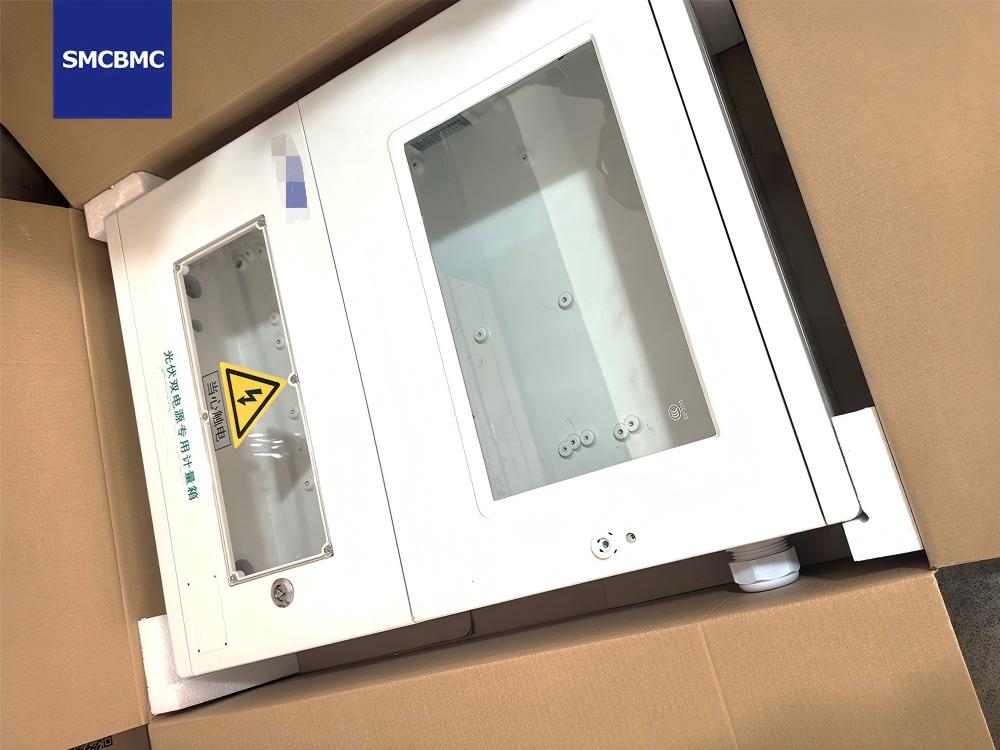
Electric meters must maintain extremely stable internal geometry to ensure accurate measurement and safe operation.
Small changes in internal structure can affect:
Sensor positioning
Electrical insulation distances
Terminal stability
Mechanical alignment of current paths
Over years of operation, heat, mechanical stress, and environmental exposure can cause some materials to deform, creep, or absorb moisture.
These changes may lead to:
Drift in measurement accuracy
Increased electrical resistance
Reduced insulation reliability
Safety risks in high-current terminals
This is why utilities and meter manufacturers pay close attention not only to electronics, but also to the materials used for meter housings and internal insulation components.
Inside an electric meter, materials must meet a combination of electrical, thermal, and mechanical requirements.
Typical performance requirements include:
Internal components must maintain stable creepage and clearance distances to ensure safe operation under high voltage conditions.
High CTI (Comparative Tracking Index) and strong dielectric properties are essential.
Meters often operate for decades in outdoor environments where temperatures may vary from −40°C to over 80°C inside sealed enclosures.
Materials must resist:
Thermal deformation
Long-term creep
Structural relaxation
Utility equipment must meet strict fire safety standards.
Materials used in electrical insulation structures typically require UL94 V-0 flame retardancy, ensuring that electrical faults do not lead to fire propagation.
Even small dimensional changes can influence terminal pressure and electrical spacing.
Stable materials help ensure:
consistent contact pressure
reliable electrical connections
long-term structural integrity
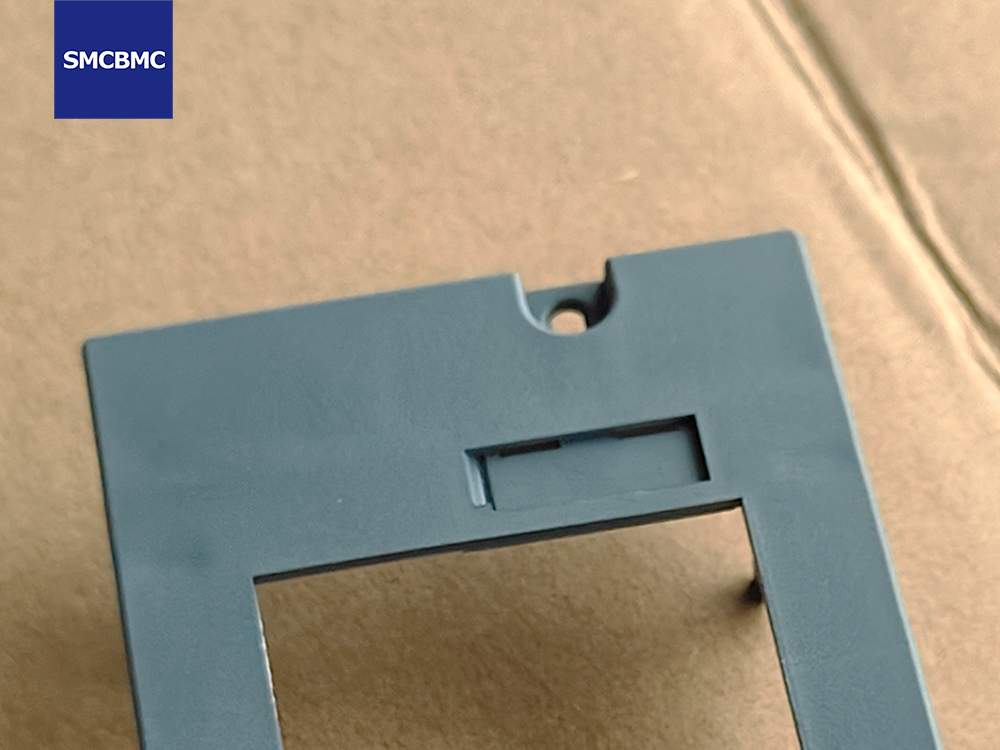
For these reasons, many meter manufacturers use Bulk Molding Compound (BMC) for key structural and insulation components inside electric meters.
BMC is a thermosetting composite material reinforced with glass fibers and mineral fillers, offering a combination of properties difficult to achieve with thermoplastics.
Key advantages include:
BMC materials can achieve CTI ≥ 600, making them suitable for demanding electrical applications.
They provide strong resistance to electrical tracking and arc formation.
Unlike thermoplastics, thermoset materials like BMC do not soften or remelt under heat, allowing components to maintain their geometry over long service periods.
This stability helps ensure reliable terminal positioning and insulation spacing.
Many BMC formulations meet UL94 V-0 standards without halogen additives, providing safe performance in electrical equipment.
Compared with hygroscopic plastics, BMC absorbs minimal moisture, reducing the risk of swelling or dimensional drift in humid environments.
The glass fiber reinforcement in BMC provides strong mechanical performance, allowing it to support terminals, busbars, and structural elements within the meter.
As smart meters become more advanced—with communication modules, sensors, and integrated electronics—the mechanical and insulation framework supporting these systems becomes even more important.
Reliable material selection ensures that electronic accuracy is preserved throughout the meter’s service life.
In this sense, the materials inside an electric meter play a quiet but essential role in maintaining the stability and reliability of modern energy infrastructure.
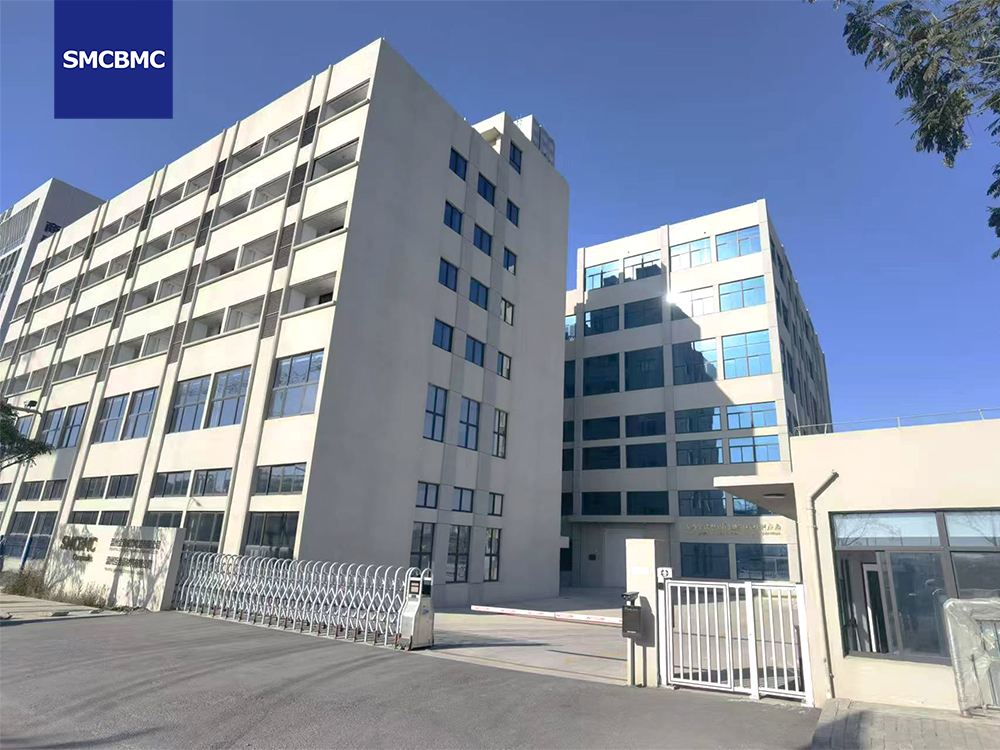
Wenzhou Jintong Complete Appliances Co., Ltd. specializes in BMC/SMC thermosetting composite materials, precision mold design, and compression molding of electrical insulation components.
Our materials and molded parts are widely used in:
electrical equipment
smart meter structures
motor insulation systems
rail transit components
new energy infrastructure
We support customers with stable, high-reliability composite solutions for long-life electrical systems.