
Date | 2026-06-08 07:57:29
For decades, glass fiber has been the dominant reinforcement material used in BMC and SMC composites. Its balance of performance, cost, and processing characteristics has made it the industry standard across electrical, transportation, and industrial applications.
However, as industries such as low-voltage electrical equipment, energy storage systems, and rail transportation demand higher mechanical performance, greater reliability, and improved sustainability, manufacturers are beginning to explore alternatives.
One of the most promising candidates is basalt fiber.
Recent comparative testing conducted by Wenzhou Jintong evaluated basalt fiber reinforced BMC against conventional E-glass fiber reinforced BMC under identical formulation and processing conditions. The results reveal substantial gains in both mechanical and electrical performance.
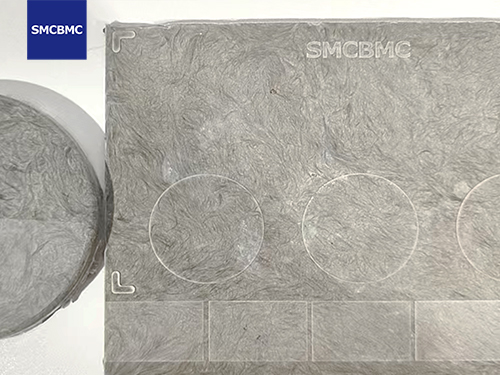
To ensure an objective comparison, both materials were produced using:
Identical unsaturated polyester resin systems
Identical filler formulations
Fiber loading of 14%
Compression molding at 155°C / 15 MPa / 120 s
Standardized mechanical and electrical testing procedures
The only variable was the reinforcement fiber itself.
| Property | Basalt Fiber BMC | Glass Fiber BMC | Improvement |
|---|---|---|---|
| Flexural Strength | 129.4 MPa | 106.0 MPa | +22% |
| Tensile Strength | 52.2 MPa | 32.9 MPa | +59% |
| Impact Strength | 37.5 kJ/m² | 28.1 kJ/m² | +34% |
| Insulation Resistance | 80 MΩ | 18 MΩ | +344% |
Source: Wenzhou Jintong internal comparative testing, June 2026.
The flexural strength of basalt fiber BMC reached nearly 130 MPa, representing a significant improvement over the glass fiber formulation.
For electrical housings, insulating supports, and structural components, higher flexural strength enables designers to reduce wall thickness or increase safety margins without changing geometry.
The most significant improvement was observed in tensile performance.
Basalt fiber reinforced BMC achieved a tensile strength increase of nearly 59%, indicating stronger fiber-matrix bonding and improved load transfer throughout the composite structure.
For applications exposed to long-term mechanical stress, vibration, or thermal cycling, this translates directly into improved durability and service life.
Impact strength increased by more than one-third compared with conventional glass fiber BMC.
This characteristic is particularly valuable for:
Energy storage battery components
Circuit breaker mechanisms
EV charging equipment
Rail transit electrical systems
where accidental impact or vibration resistance is critical.
Electrical insulation performance showed one of the most impressive improvements.
The basalt fiber formulation achieved insulation resistance values exceeding the glass fiber version by more than three times.
For electrical manufacturers, higher insulation resistance means greater operational safety margins, particularly in humid, polluted, or outdoor environments.
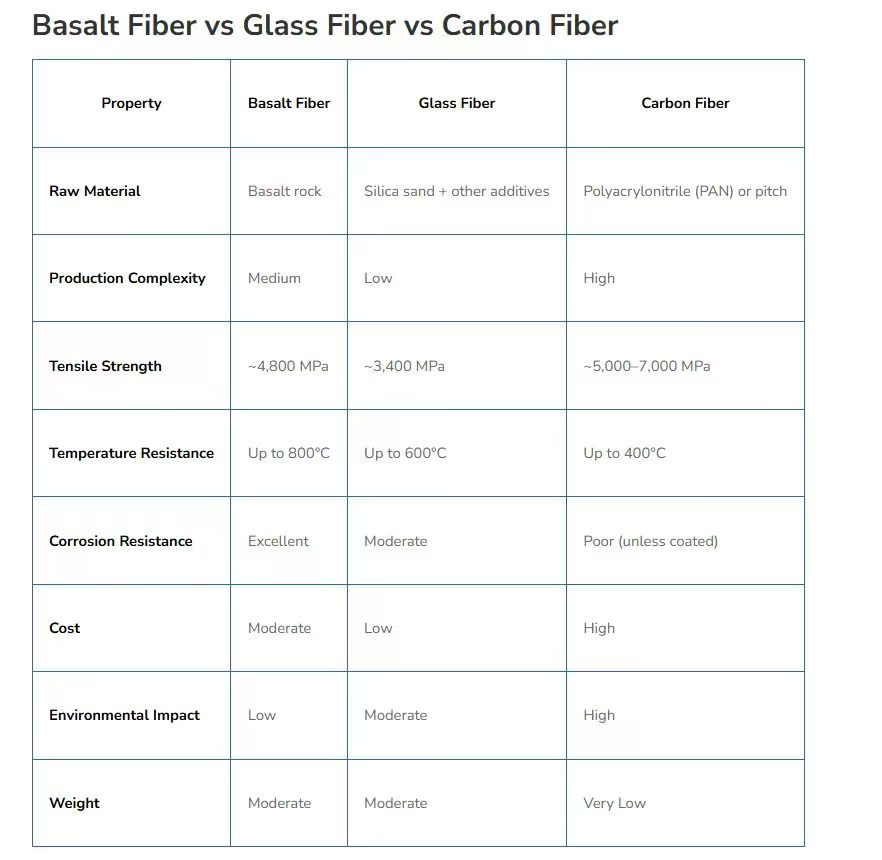
Unlike synthetic glass fibers, basalt fiber is produced directly from naturally occurring volcanic rock.
This provides several inherent advantages:
Basalt fiber can withstand continuous temperatures approaching 800°C while maintaining structural integrity.
Although thermoset resin systems typically define the composite's operating temperature, the fiber reinforcement remains stable during short-term thermal events such as arc exposure or glow-wire testing.
Basalt fibers exhibit superior resistance to chemical attack, salt spray, and moisture compared with conventional E-glass fibers.
This makes them particularly attractive for:
Outdoor electrical enclosures
Utility infrastructure
Coastal installations
Industrial environments
As global manufacturers face increasing pressure to reduce product carbon footprints, basalt fiber offers a compelling environmental advantage.
Produced from abundant natural volcanic rock without boron or fluorine additives, basalt fiber typically generates a significantly lower carbon footprint than carbon fiber and can outperform conventional glass fiber in lifecycle assessments.
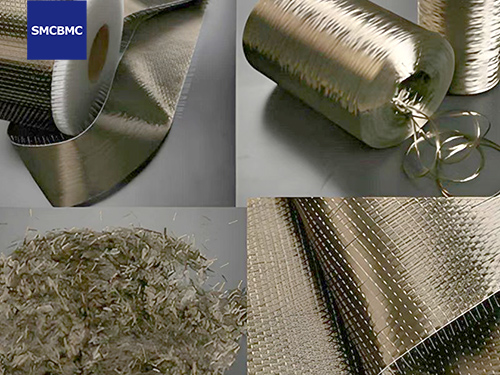
Based on current testing results, basalt fiber reinforced BMC is especially well suited for:
Circuit breaker arc chambers
Contactors
Switchgear insulation parts
Busbar supports
Battery module separators
Structural insulation components
High-voltage connection systems
Smart meter housings
Utility enclosures
Charging infrastructure
Structural insulating components
High-reliability electrical supports
Fire-resistant composite parts
As the electrical and energy industries continue to pursue higher reliability, greater safety margins, and lower environmental impact, basalt fiber reinforced BMC represents a compelling next-generation material solution.
The combination of higher strength, improved impact resistance, superior insulation performance, and enhanced sustainability creates a unique balance that traditional glass fiber composites may struggle to match.
At Wenzhou Jintong, basalt fiber reinforced BMC formulations are now available for customized development, including tailored fiber contents, color options, and UL94 V-0 flame-retardant grades.
Looking for a high-performance composite solution for your electrical or energy application?
Our engineering team can support material selection, mold design, and full-scale production from concept to commercialization.
Email: wendy.qiu@smcbmc.com
Tel: +86 13868305300