
Date | 2026-01-10 07:42:04
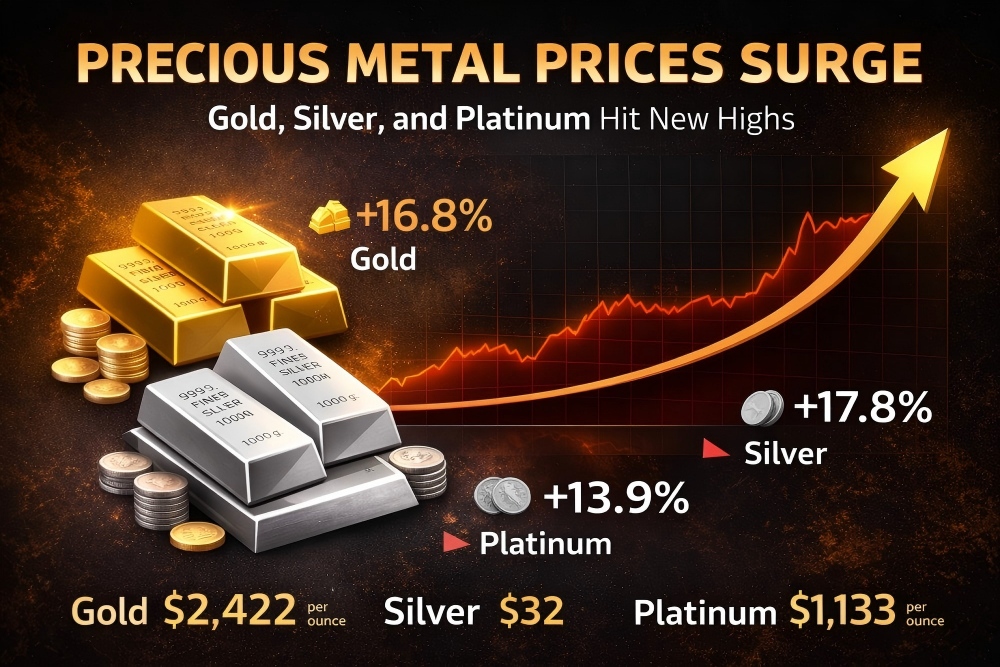
When gold breaks above USD 4,500 per ounce, silver doubles year-on-year, and copper reaches historic highs, this is far more than short-term market volatility. The global structural bull market led by precious and base metals reflects the early stage of a deeper industrial transformation—driven by U.S. fiscal expansion and accelerating AI capital investment.
For manufacturers—especially those relying heavily on metal-based materials in electrical insulation and precision structural components—this trend represents both a severe cost challenge and a fundamental rethinking of how value is created. Amid widespread raw material anxiety, one conclusion is becoming increasingly clear:
Whoever can efficiently, precisely, and reliably transform expensive “metal value” into higher “product value” will control certainty within the industrial value chain.
The current rise in metal prices is no longer a cyclical fluctuation, but a structural trend shaped by three long-term forces:
Global net-zero targets are driving irreversible demand from solar power, wind energy, electric vehicles, and grid upgrades. Silver is essential for photovoltaic cells, while copper serves as the “circulatory system” of all electrical transmission.
According to the International Energy Agency, global clean energy investment in 2025 will be twice that of fossil fuels, fundamentally reshaping supply–demand dynamics for copper, aluminum, and other base metals.
Digital infrastructure—especially AI data centers—requires exponentially increasing power and cooling capacity, earning the nickname “copper-hungry giants.” Copper is now widely regarded as an “AI metal,” with its demand narrative permanently reset.
Geopolitical uncertainty and sustained central bank gold purchases provide a strong certainty premium for precious metals. At the same time, supply chain security has become a policy priority worldwide, intensifying resource nationalism and driving up costs for critical minerals.
Systematic metal price increases place universal pressure on downstream manufacturers. Yet under pressure, differentiation emerges.
For advanced manufacturing, the breakthrough lies not in passively absorbing costs, but in achieving value leapfrogging—where performance, reliability, and system-level efficiency improvements far exceed the increase in raw material costs.
This is precisely where high-performance thermosetting composites—such as BMC (Bulk Molding Compound), SMC (Sheet Molding Compound), and epoxy resins—demonstrate their strategic advantage. These are not simple “plastics,” but engineered materials formed through precise combinations of resins, glass fibers, and functional fillers.
In electrical insulation and structural applications, their value manifests in three key dimensions:
Composite materials enable integrated molding of complex geometries, consolidating multiple metal parts into a single component. This significantly reduces assembly steps, material waste, and system-level costs—offsetting higher raw material prices through design efficiency.
Whether it is the high strength and arc resistance required for rail transit insulators, the long-term weather resistance demanded by photovoltaic metering enclosures, or the strict flame retardancy and insulation standards for MCB housings, composite materials allow targeted performance enhancement through customized formulations.
In electrical safety, absolute reliability itself is the highest form of value.
Compared with metals—whose pricing is heavily influenced by global mining capacity and trade policies—composite material production offers greater controllability and independence. Through precision tooling and mature compression or injection molding processes, composite components achieve exceptional batch-to-batch consistency, strengthening supply chain resilience.

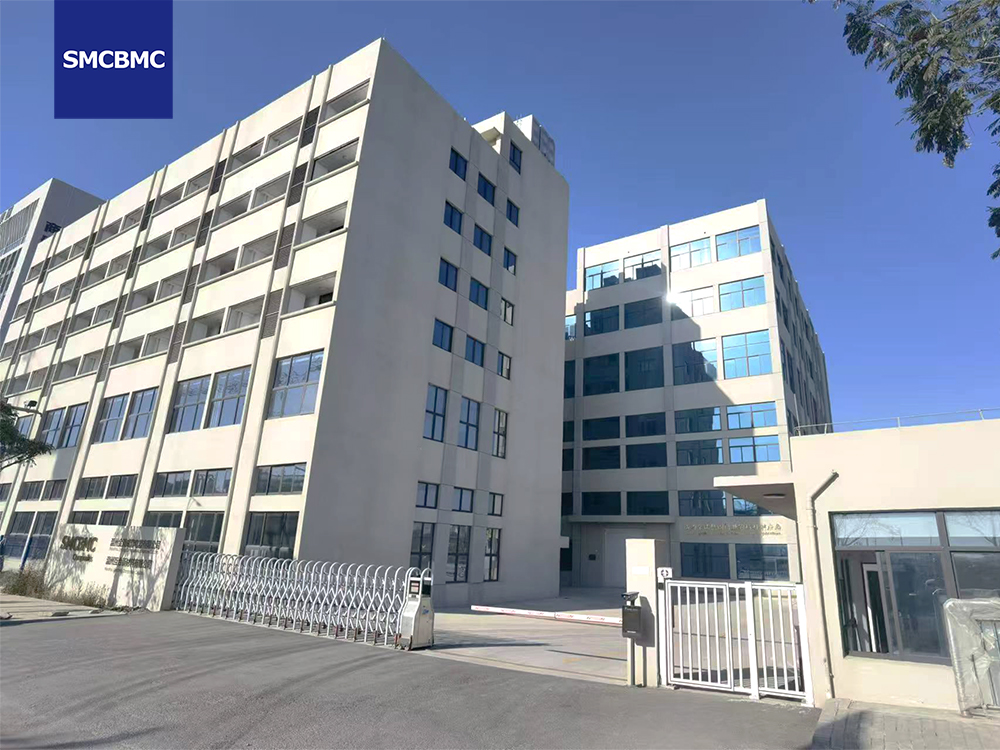
Amid this upstream-driven transformation, Wenzhou Jintong positions itself as more than a component manufacturer. We strive to become a deep strategic partner in our customers’ material–process–value conversion chain.
We understand that in railway pantograph insulators, encapsulated motors for new energy vehicles, AI data center UPS systems, and photovoltaic metering boxes, the failure of a single insulation or structural component can result in substantial economic loss—or even systemic safety risks.
Our mission is to transform abstract metal price pressure and stringent performance requirements into concrete, reliable product solutions:
We work closely with customers to analyze real operating conditions—including electrical, mechanical, thermal, and environmental stresses—and select or customize the most suitable BMC, SMC, or epoxy resin systems to achieve the optimal balance between performance and cost.
Advanced materials realize their design value only through high-precision molds. Our tooling capabilities ensure accurate material flow into every reinforcement rib, cooling channel, and mounting interface—maximizing performance while minimizing scrap rates.
From incoming material inspection and full-process molding parameter monitoring to comprehensive electrical and mechanical testing of finished components, our closed-loop quality system delivers not just products—but certainty in the face of upstream volatility and downstream risk.
While market attention may focus on rising metal price charts, our focus remains on a more fundamental question:
How can every gram of valuable material—metal or its advanced composite alternative—be transformed into reliable, high-performance solutions that support the safe and efficient operation of modern society?
Metal markets will rise and fall. But the pursuit of higher performance, lighter weight, and greater reliability, along with the ability to convert advanced materials into competitive manufacturing advantages, remains a timeless theme that transcends cycles.
Insight into trends. Mastery of process.
In an era of uncertainty, delivering deterministic performance and reliable supply for electrical and high-end equipment defines Jintong’s enduring view of value.
We specialize in integrated insulation and structural solutions based on high-performance composite materials such as BMC, SMC, and epoxy resins for rail transit, new energy, smart grids, and high-end electrical equipment.
Through material science and precision manufacturing, we help our customers overcome cost challenges and achieve lasting value transformation.