
Date | 2026-01-12 07:55:48
In BMC/SMC thermoset molding, venting and temperature control are two of the most critical—yet often underestimated—factors in mold design.
Improper venting can cause gas traps, burns, and surface defects, while unstable temperature control may lead to incomplete curing, warpage, or inconsistent mechanical performance.
For high-reliability applications such as electrical, rail, automotive, and industrial components, these two systems directly determine molding stability and product consistency.
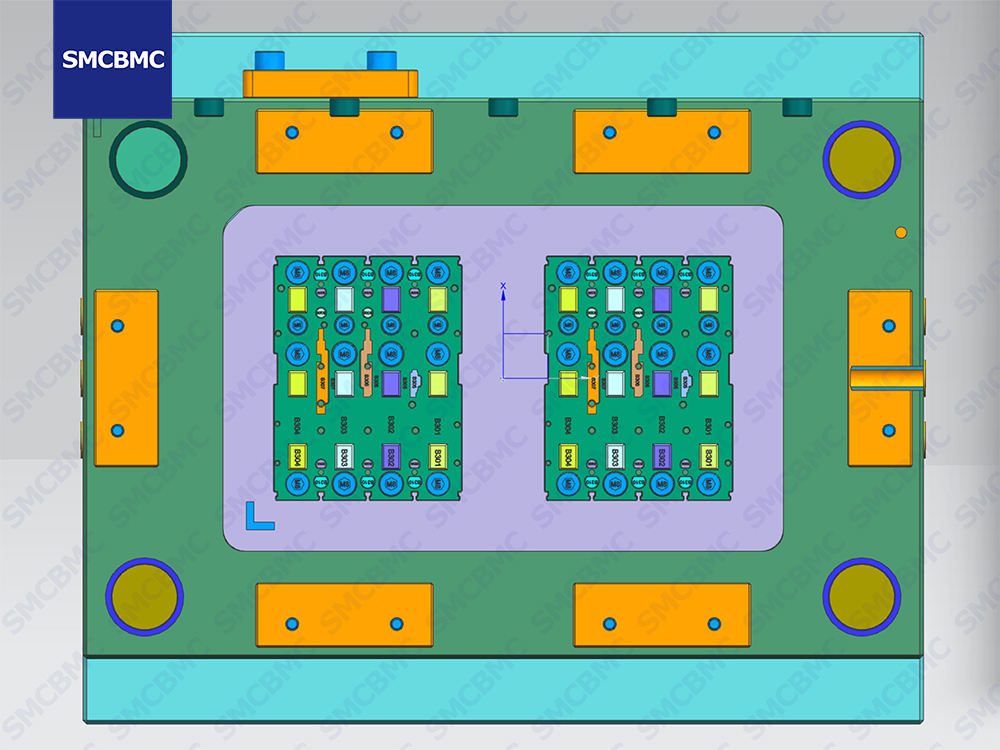
Unlike thermoplastics, BMC and SMC materials release gases during the curing reaction.
If gases cannot escape efficiently, defects such as short shots, burn marks, porosity, or surface blistering may occur.
Vent depth: typically 0.01–0.03 mm, depending on fiber length and resin viscosity
Vent width: wide enough to release gas efficiently without causing flash
Vent location: placed at the end of flow paths and potential air-trap areas
Progressive venting: multi-stage venting is recommended for large or complex parts
Well-designed venting ensures:
Complete cavity filling
Reduced internal stress
Improved surface finish
Lower reject rates in mass production
Thermoset materials are highly sensitive to temperature.
Uneven mold temperature may result in partial curing, internal cracks, or dimensional instability.
Typical mold surface temperature: 140–170°C (depending on formulation)
Temperature deviation across cavity surface: ≤ ±5°C
Independent heating zones for complex or thick-walled parts
Optimized heater placement for uniform heat distribution
Avoidance of local overheating near gates or thick sections
Stable temperature feedback control to ensure process repeatability
Effective temperature control leads to:
Consistent curing degree
Stable mechanical and electrical properties
Reduced cycle time
Improved mold life
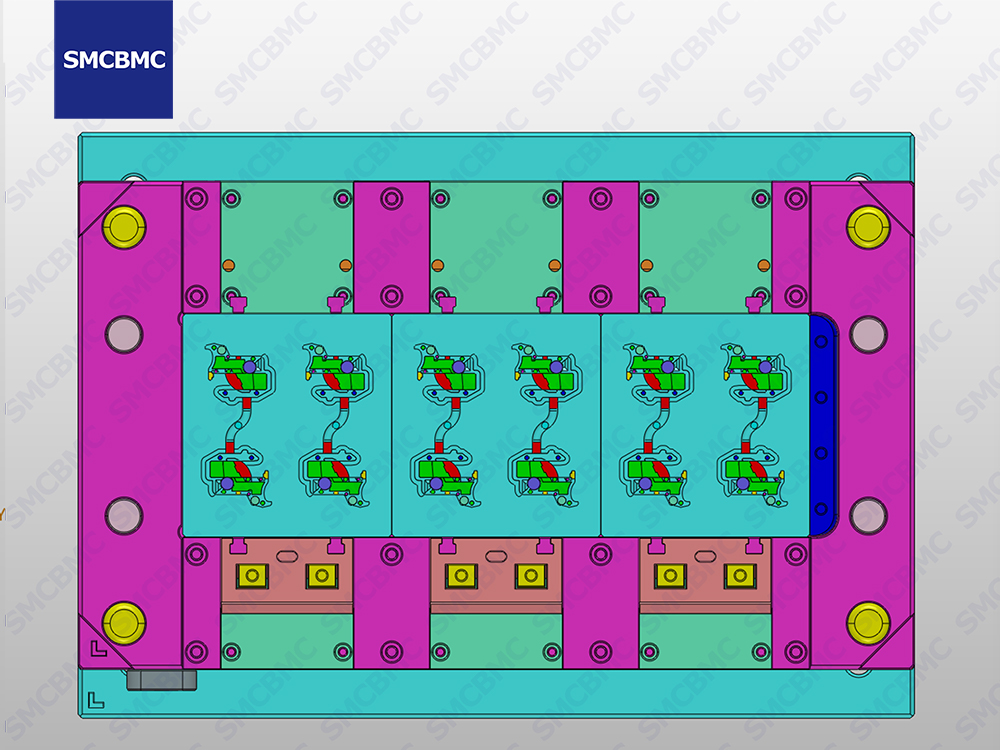
In BMC/SMC tooling, venting and temperature control must be designed together.
Higher mold temperatures accelerate curing—but also increase gas release speed.
Without proper venting, this combination may intensify defects rather than eliminate them.
A balanced design approach ensures:
Controlled material flow
Predictable curing behavior
High process stability in long production runs
With over 20 years of experience in thermoset materials and tooling, Wenzhou Jintong designs molds from a material-driven perspective.
Our advantages include:
Deep understanding of BMC/SMC curing behavior
Proven venting strategies for complex electrical components
Precision temperature control design based on real production data
Close integration between mold design and molding process optimization
We believe that stable venting and precise temperature control are the foundation of high-quality thermoset products—not optional features.