

Date | 2026-01-13 08:58:41
Outdoor electrical enclosures operate in some of the most demanding environments.
They are continuously exposed to UV radiation, temperature fluctuations, moisture, pollution, and mechanical stress, while still being required to provide long-term electrical insulation and structural integrity.
Among available material options, BMC (Bulk Molding Compound) and SMC (Sheet Molding Compound) have become preferred solutions for outdoor electrical enclosures across power distribution, renewable energy, rail infrastructure, and industrial systems.
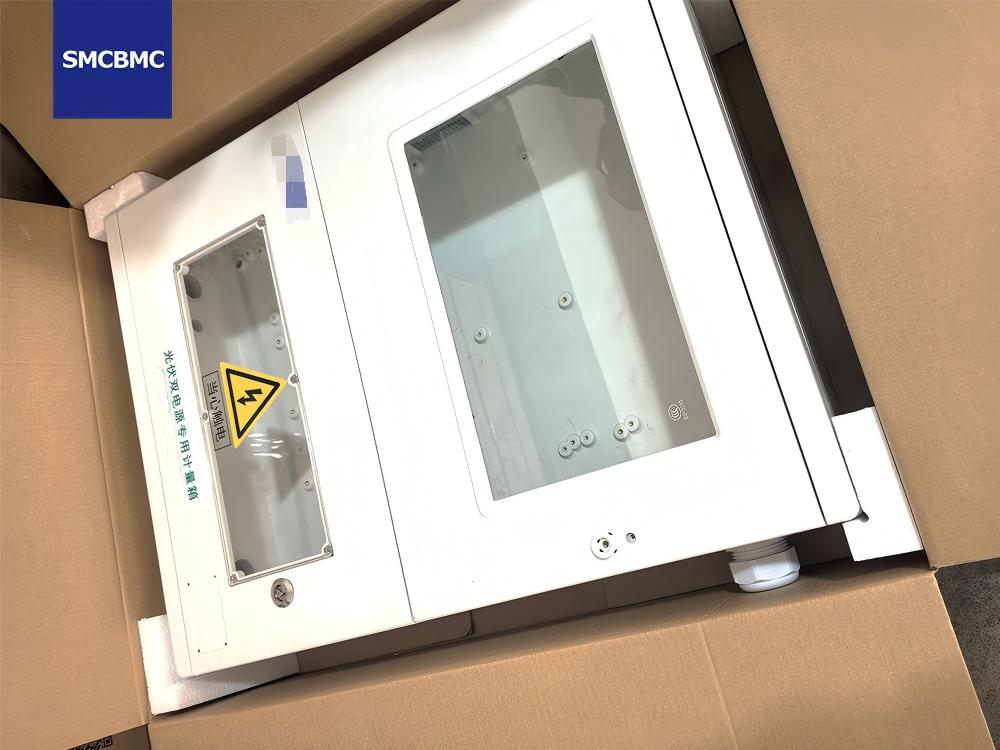
Outdoor enclosures must withstand long-term exposure to sunlight, rain, and humidity without degradation.
BMC and SMC materials offer:
Strong resistance to UV aging
Minimal surface chalking and color degradation
Stable mechanical properties under outdoor conditions
Compared to many thermoplastics, BMC/SMC do not soften or deform under prolonged heat exposure, ensuring enclosure stability even in harsh climates.
Electrical safety is the core requirement for any enclosure used in power and control systems.
BMC/SMC materials provide:
High dielectric strength
Stable insulation resistance over time
Excellent arc and tracking resistance
These properties make them particularly suitable for low-voltage and medium-voltage electrical enclosures, where long-term insulation reliability is critical.
Outdoor enclosures often face:
Mechanical impact
Wind load
Installation stress
Long-term static loads
Thanks to their fiber-reinforced thermosetting structure, BMC and SMC deliver:
High flexural and impact strength
Low creep under continuous load
Excellent dimensional stability across temperature changes
Once cured, thermoset materials do not re-melt, ensuring consistent geometry throughout the product lifecycle.
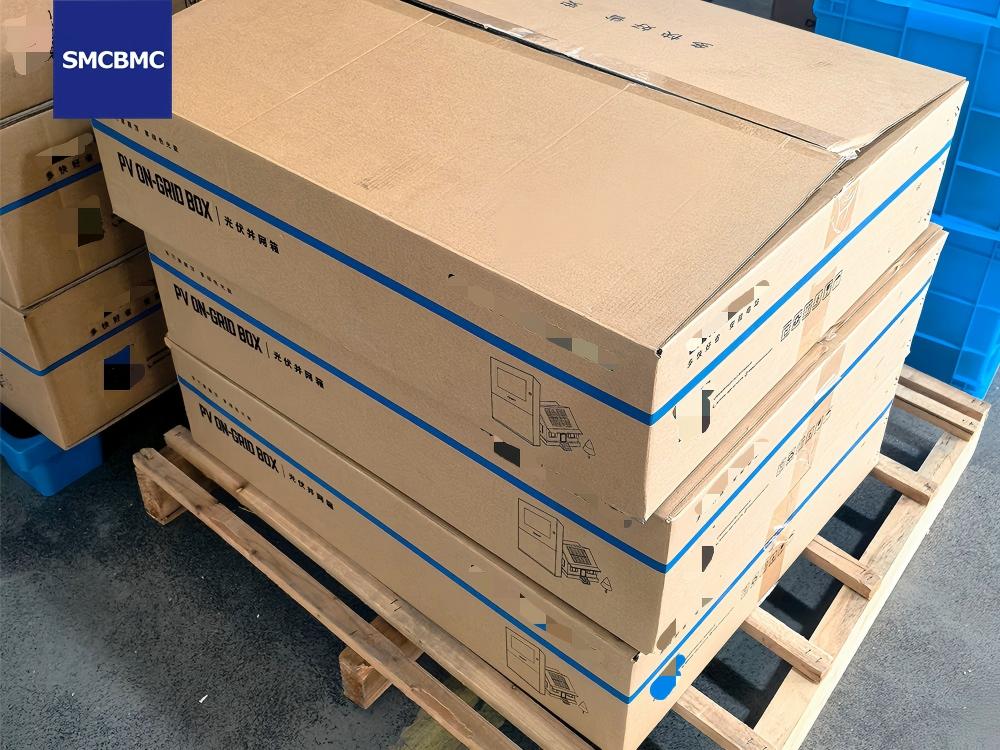
In outdoor public infrastructure and energy systems, fire safety regulations are becoming increasingly strict.
BMC/SMC formulations can be engineered to:
Meet flame-retardant requirements
Achieve low smoke density
Reduce toxic gas release during combustion
These characteristics are especially important for applications in railways, power substations, EV charging stations, and renewable energy systems.
BMC/SMC molding processes allow:
Complex geometries
Integrated ribs, bosses, and inserts
Reduced part count compared to metal assemblies
This design flexibility helps manufacturers:
Optimize enclosure strength-to-weight ratio
Improve sealing and protection levels
Reduce assembly and maintenance costs
For medium to large production volumes, BMC/SMC offer a strong balance between performance and cost.
Key advantages include:
High production efficiency
Stable cycle times
Long mold life
Low scrap rates in mature processes
This makes BMC/SMC enclosures highly competitive over the full product lifecycle.
With their combination of weather resistance, electrical insulation, mechanical strength, fire safety, and design flexibility, BMC and SMC materials are ideally suited for outdoor electrical enclosure applications.
They provide a long-term, reliable solution for industries where safety, durability, and performance cannot be compromised.
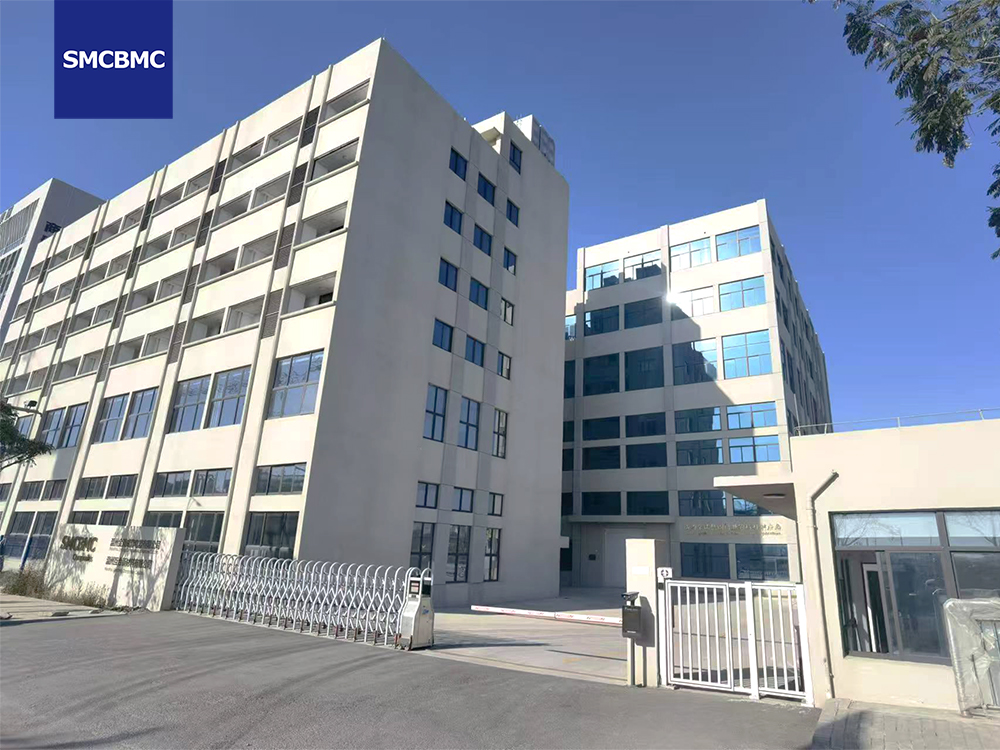
Wenzhou Jintong Complete Appliances Co., Ltd. provides complete thermosetting solutions, covering:
BMC/SMC material selection
Tooling design and manufacturing
Compression, injection, and transfer molding
Application-specific engineering support
With over 20 years of experience, Jintong supports customers worldwide in developing reliable thermoset components for electrical and industrial applications.
👉 Contact us to discuss your outdoor enclosure project.