

Date | 2026-03-17 08:10:21
For decades, metals such as steel and aluminum have been the default choice in electrical infrastructure. From enclosures and support structures to insulation systems, metal components have long been associated with strength and durability.
However, as electrical systems become more advanced, compact, and performance-driven, the limitations of traditional metals are becoming increasingly apparent.
Today, composite materials—especially thermoset composites like BMC (Bulk Molding Compound)—are rapidly emerging as a preferred alternative.
This shift is not just about material substitution. It reflects a broader transformation in how electrical systems are designed for efficiency, reliability, and long-term performance.
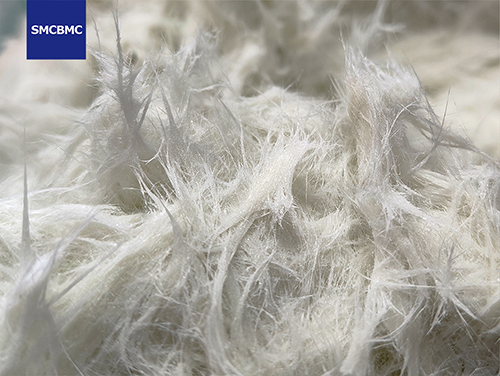
While metals offer high strength, they also introduce several challenges in electrical applications:
Metals are inherently conductive, requiring additional insulation layers to ensure safety.
This increases system complexity and assembly steps.
In outdoor or high-humidity environments, metals are susceptible to corrosion, even with protective coatings.
Over time, this can compromise both structural integrity and electrical safety.
Metal components add significant weight to electrical systems, especially in applications such as:
rail transit
renewable energy installations
distributed grid infrastructure
This impacts installation efficiency and overall system performance.
Metal fabrication processes often restrict design flexibility, particularly for complex geometries or integrated functions.
Composite materials like BMC are engineered to overcome these limitations while delivering additional performance benefits.
Unlike metals, BMC is inherently insulating.
This allows components to:
reduce or eliminate secondary insulation
simplify system architecture
improve electrical safety
BMC composites provide an excellent strength-to-weight ratio, enabling:
lighter components
easier installation
reduced structural load
This is especially valuable in large-scale infrastructure systems.
BMC materials are resistant to moisture, chemicals, and environmental exposure.
This ensures long-term durability in:
outdoor installations
coastal environments
industrial applications
With compression or injection molding, BMC allows for:
complex geometries
integrated features (mounting points, insulation barriers, ribs)
reduced part count
This leads to more efficient product design and assembly.
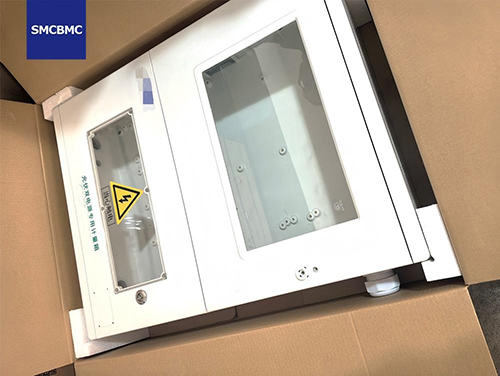
The transition from metal to composite materials is already well underway across multiple sectors.
BMC replaces metal housings to provide:
electrical insulation
dimensional stability
weather resistance
Composite components are used in:
insulation supports
busbar structures
protective enclosures
helping improve both safety and system lifespan.
In rail infrastructure, BMC is used for:
cable management systems
structural insulation components
where lightweight and durability are critical.
In solar and grid applications, composites enable:
corrosion-resistant structures
long service life with minimal maintenance
The adoption of composite materials is not simply about replacing metal with another material.
It represents a shift toward functionally integrated design.
Instead of assembling multiple metal and insulation parts, engineers can design single composite components that combine:
structural support
electrical insulation
environmental resistance
This reduces complexity while improving reliability.
To fully realize the benefits of BMC, material selection must be supported by precise manufacturing.
Key factors include:
material formulation tailored to application needs
mold design optimized for flow and shrinkage control
controlled molding temperature and pressure
consistent production processes
Only through this integrated approach can composite components achieve both performance and consistency.
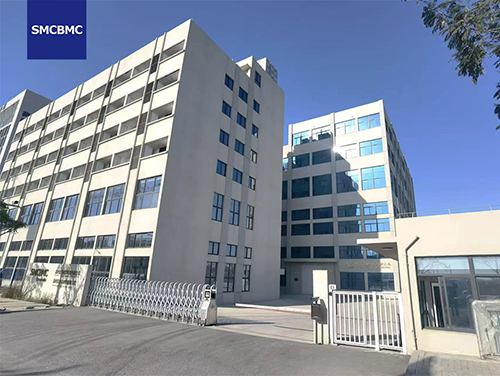
Wenzhou Jintong Complete Electrical Co., Ltd. specializes in high-performance BMC/SMC thermoset composites, precision mold development, and composite component manufacturing.
We provide integrated solutions for electrical insulation systems, smart energy equipment, motors, rail transit, and industrial infrastructure.
By combining material innovation with advanced molding technologies, we help customers transition from traditional materials to high-reliability composite solutions.